
By Mobile Wellness Incorporated
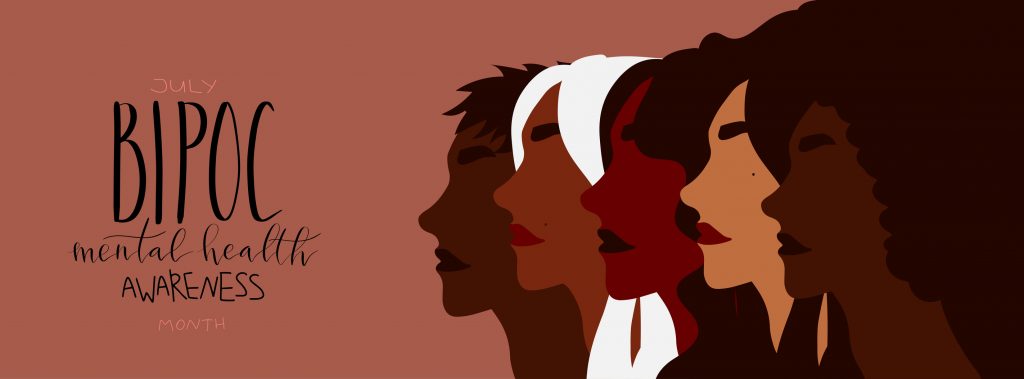
Mental health affects every individual, family, and community. However, not everyone has equal access to the care and support they need. During BIPOC (Black, Indigenous, and People of Color) Mental Health Awareness, we recognize the importance of addressing the unique challenges many communities of color face when seeking mental health care.
At Mobile Wellness Incorporated, we believe mental health care should be compassionate, culturally responsive, and accessible to everyone. By increasing awareness, reducing stigma, and improving access to care, we can help create healthier, stronger communities.
Understanding Mental Health Disparities
Mental health conditions occur across every racial and ethnic group, but disparities in access to care remain significant. According to the Substance Abuse and Mental Health Services Administration (SAMHSA, 2023), individuals from historically underserved communities are less likely to receive mental health treatment and more likely to experience barriers to care.
These barriers may include:
- Limited access to mental health providers
- Lack of culturally responsive services
- Financial and insurance challenges
- Language barriers
- Transportation difficulties
- Historical mistrust of healthcare systems
- Stigma surrounding mental health within communities
These challenges can delay treatment, allowing symptoms to worsen over time.
The Importance of Culturally Responsive Care
Mental health care is most effective when providers understand and respect an individual’s cultural background, lived experiences, and personal values.
According to the American Psychological Association (APA, 2023), culturally responsive care helps improve communication, strengthen trust between providers and clients, and increase engagement in treatment.
Cultural understanding may include recognizing:
- Family and community values
- Religious or spiritual beliefs
- Historical and intergenerational trauma
- Experiences with discrimination or racism
- Preferred language and communication styles
When people feel respected and understood, they are more likely to seek help and remain engaged in care.
The Impact of Racism and Chronic Stress
Research shows that experiences of discrimination and chronic stress can have lasting effects on both mental and physical health. The Centers for Disease Control and Prevention (CDC, 2023) recognizes racism as a social determinant of health that contributes to health disparities and increased psychological stress.
Chronic stress associated with discrimination may contribute to:
- Anxiety
- Depression
- Sleep disturbances
- High blood pressure
- Emotional exhaustion
- Increased risk for trauma-related symptoms
Acknowledging these realities is an important step toward providing equitable and compassionate mental health care.
Breaking the Stigma Around Mental Health
In many BIPOC communities, conversations about mental health have historically been limited by stigma, cultural expectations, or concerns about being misunderstood.
The National Alliance on Mental Illness (NAMI, 2023) encourages open conversations about emotional wellness, emphasizing that seeking therapy is a sign of strength—not weakness.
Breaking stigma begins by:
- Talking openly about mental health
- Learning the signs of common mental health conditions
- Supporting friends and family members
- Encouraging professional help when needed
- Sharing accurate mental health information
Every conversation helps normalize mental health care and creates opportunities for healing.
Community Support Makes a Difference
Strong communities play a vital role in promoting mental wellness. Supportive relationships with family members, friends, faith communities, and neighborhood organizations help reduce isolation and strengthen resilience.
The World Health Organization (WHO, 2022) highlights social connectedness and community support as key protective factors that improve mental health outcomes.
By working together, communities can reduce stigma, expand awareness, and ensure individuals know they are not alone.
Mobile Wellness Incorporated’s Commitment
At Mobile Wellness Incorporated, we are committed to providing accessible, compassionate, and culturally responsive mental health care for individuals and families from every background.
Our services include:
- Individual and family counseling
- Trauma-informed mental health care
- Community outreach and education
- Accessible behavioral health services
- Care that respects each individual’s culture, experiences, and unique needs
We believe everyone deserves to receive high-quality mental health care in an environment where they feel safe, respected, and valued.
Servicios Psiquiátricos en Español
Mental health care should also be accessible in the language that feels most comfortable to you.
Mobile Wellness Incorporated helps connect individuals and families with trusted psychiatric partners who provide virtual psychiatric services throughout Illinois in Spanish. Most Illinois commercial insurance plans, Medicaid, and Medicare are accepted.
To learn more about our Spanish-language psychiatric services, visit:
https://mwiservices.org/hablamos-espanol/
Explore Our Resource Center
Education is an important part of mental wellness. Our Resource Center provides helpful articles, educational materials, and community resources designed to support individuals and families on their mental health journey.
Visit our Resource Center:
https://mwiservices.org/resource-center/
Final Thoughts
Mental health equity means ensuring every person has the opportunity to receive compassionate, culturally responsive, and accessible care.
During BIPOC Mental Health Awareness, let us continue working to eliminate barriers, reduce stigma, and create communities where everyone feels empowered to seek support without fear or judgment.
At Mobile Wellness Incorporated, we are committed to building a future in which mental health care is inclusive, equitable, and accessible to all, because every person deserves the opportunity to heal, thrive, and live a healthy life.